
How much does a payment terminal cost?
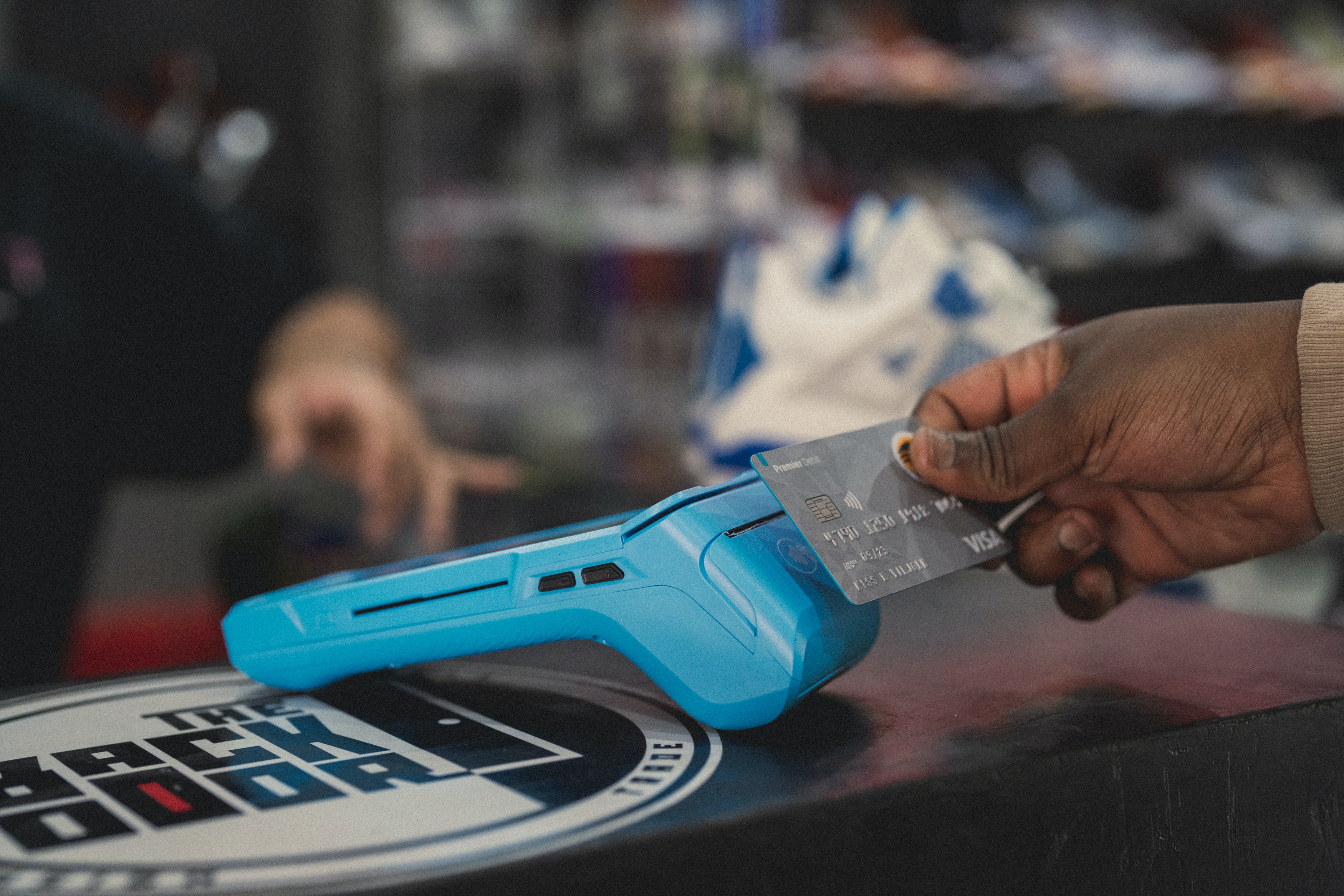
Payment terminals are increasingly used worldwide to make electronic transactions securely. They allow merchants to accept credit card payments without having to deal with cash. However, the cost of a payment terminal can vary depending on several factors, such as the terminal model, the payment service provider, and subscription fees.
The various costs of the payment terminal
Initial cost of the terminal
The initial cost of a payment terminal depends on the chosen terminal model. The simplest payment terminals, which only allow credit and debit card transactions, typically cost between $50 and $100. More advanced payment terminals, which offer features such as internet connectivity and integration with point-of-sale software, can cost up to $500.
Subscription fees
In addition to the initial cost of the terminal, payment service providers often charge monthly or annual subscription fees. These fees also vary depending on the payment service provider and the features offered with the payment terminal. Subscription fees can range from $10 to $50 per month.
Transaction fees
Payment service providers may also charge transaction fees for each transaction made with the payment terminal. These fees are typically a percentage of the transaction amount and can vary depending on the type of card used. For example, credit cards often have higher transaction fees than debit cards. Transaction fees can range from 1.5% to 3% of the transaction amount.
Indirect costs
In addition to the direct costs associated with using a payment terminal, there are also indirect costs to consider. For example, merchants often need to purchase additional supplies to use their payment terminal, such as rolls of paper for receipts. Merchants must also consider maintenance and repair costs for the payment terminal in case of breakdown or malfunction.
Advantages of a payment terminal
It is important to note that the advantages of a payment terminal can often offset the costs associated with its use. By accepting credit card payments, merchants can offer their customers a convenient and secure payment option. Additionally, card payments reduce the risk of fraud and theft, as money is not physically kept in the store. Electronic transactions are also faster and more efficient than cash processing, which can help improve the customer experience.
Furthermore, payment terminals often provide detailed reports on sales, transactions, and income, which can help merchants track their performance and make informed decisions about their business.
In summary, the total cost of a payment terminal depends on several factors, including the chosen terminal model, the payment service provider, and the fees associated with using the terminal. Although these costs may seem high, the advantages of a payment terminal can often offset these costs by providing a convenient and secure payment option, reducing the risk of fraud and theft, and enhancing the customer experience. Merchants must weigh these advantages and disadvantages before deciding to purchase a payment terminal.
Finally, it is important to emphasize that payment terminals are a vital component of the electronic payment ecosystem worldwide. With the rise of electronic transactions and the decline in cash usage, payment terminals are becoming increasingly common and necessary. Merchants without a payment terminal risk losing customers and business opportunities. Therefore, it is important for merchants to stay informed about the payment options available in the market and modern payment service and cash register providers to find the best solution for their business.