
How long should invoices be kept?
Invoice management is a key concern for small retailers, as it has tax, accounting, and legal implications. In this article, we will discuss why it is crucial to keep invoices, the retention periods, the appropriate formats, and the tools to use to facilitate invoice management.
Why keep invoices?
Proof in case of dispute
Invoices serve as proof in the event of a dispute with a client or supplier. They justify the completion of a service, the delivery of a product, or the amount owed.
Transaction tracking
Invoices allow for the tracking of the history of business transactions, analyzing business performance, and establishing financial forecasts. Cash registers are a key tool for recording and tracking these transactions.
Tax and accounting obligations
Keeping invoices is a legal requirement for merchants in most countries, as they serve as proof of business transactions and are used to justify reported income and expenses to tax authorities. They also allow for the verification of the compliance of accounting records.
What is the retention period for invoices?
The retention periods for invoices depend on the legislation of each country. In France, for example, sales and purchase invoices, as well as those related to fixed assets, must be kept for 10 years from the closure of the relevant fiscal year. In Morocco, these same types of invoices must also be kept for 10 years, but from the date of issue of the invoice. It is crucial for merchants to inquire about the specific retention periods in their country and adhere to these legal requirements. This helps avoid problems during tax audits and provides evidence in case of disputes with clients or suppliers.
In what format should invoices be kept?
Paper format
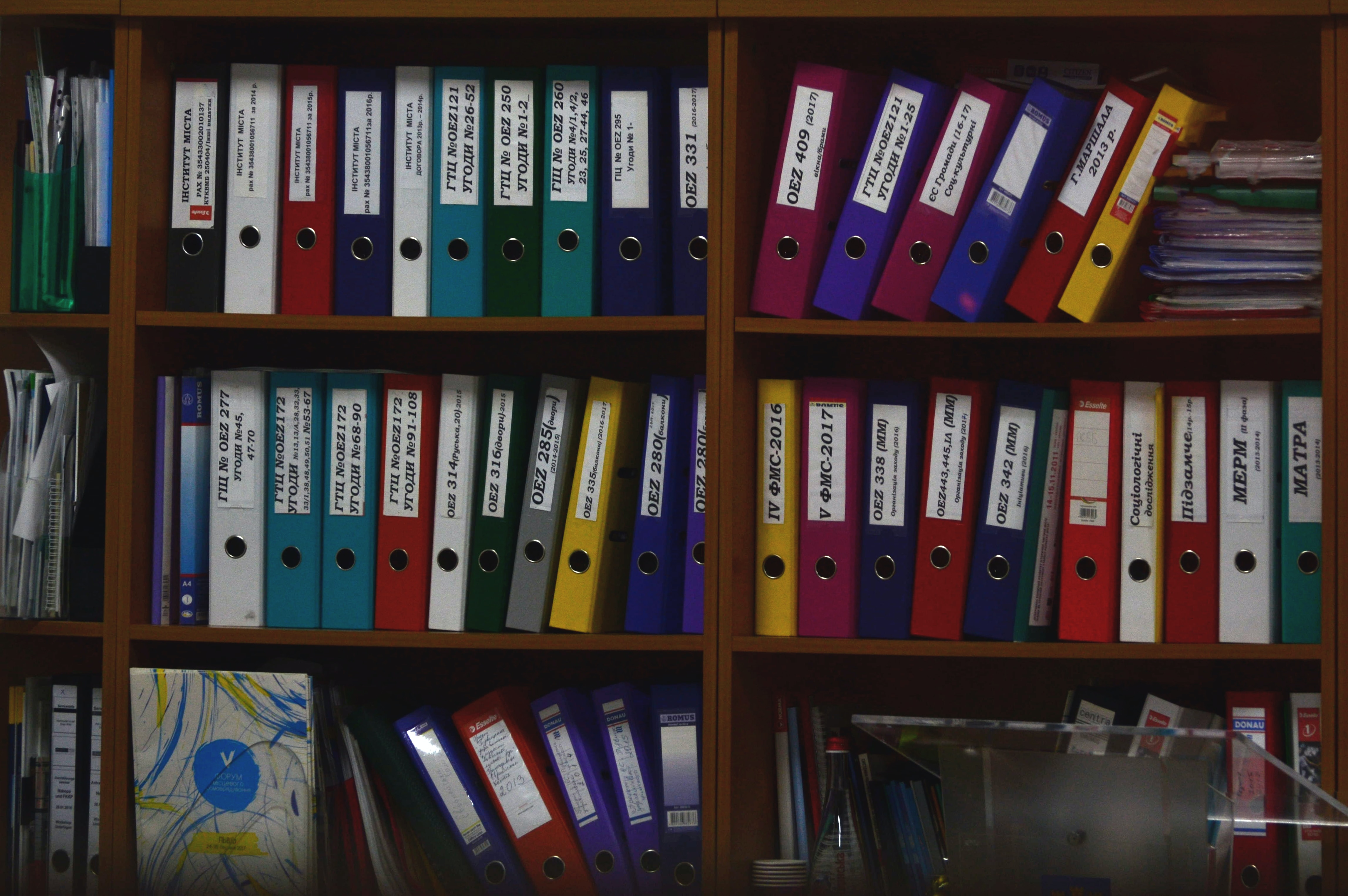
Paper invoices should be kept in a safe and well-organized place. It is advisable to sort them chronologically or thematically for easier access.
Digital format
Scanning invoices helps save space and facilitates their retrieval. Scanned invoices have the same legal value as paper invoices, provided they comply with the requirements of the tax administration (integrity, readability, and accessibility). It is crucial to regularly back up your scanned invoices on an external storage medium and keep a copy in a safe place.
What tools to keep invoices?
Binders and folders
Binders and folders are simple and effective tools for organizing and storing paper invoices. They allow invoices to be grouped by theme or period and protect them from damage (moisture, tears, etc.).
Invoicing software
Invoicing software makes it easy to create, send, and track invoices, as well as scan and archive documents. They also offer reporting and analysis features to optimize financial management of the business. Several solutions are available on the market, tailored to the needs of small retailers (QuickBooks, FreshBooks, Zoho Invoice, etc.). Some software can even be integrated with cash registers to facilitate the management of transactions and invoices.
Online storage services (cloud)
Online storage services, such as Google Drive, Dropbox, or Microsoft OneDrive, allow you to store and access your scanned invoices from any device connected to the internet. These services offer sharing, searching, and automated backup features, but it is important to check their compliance with legal requirements for invoice retention.
Document management systems (DMS)
Document management systems allow for the centralization and organization of all company documents, including scanned invoices. They facilitate the search, access, and backup of documents and can be integrated with other management software (accounting, CRM, etc.) to enhance operational efficiency.
Keeping invoices is a crucial issue for small retailers. It is essential to comply with legal retention periods, choose the appropriate format, and use the right tools to facilitate the management and archiving of invoices. By following the advice in this article, you can optimize your invoicing management, avoid issues during a tax audit, and thus focus on growing your business.