
How to accept online payments?
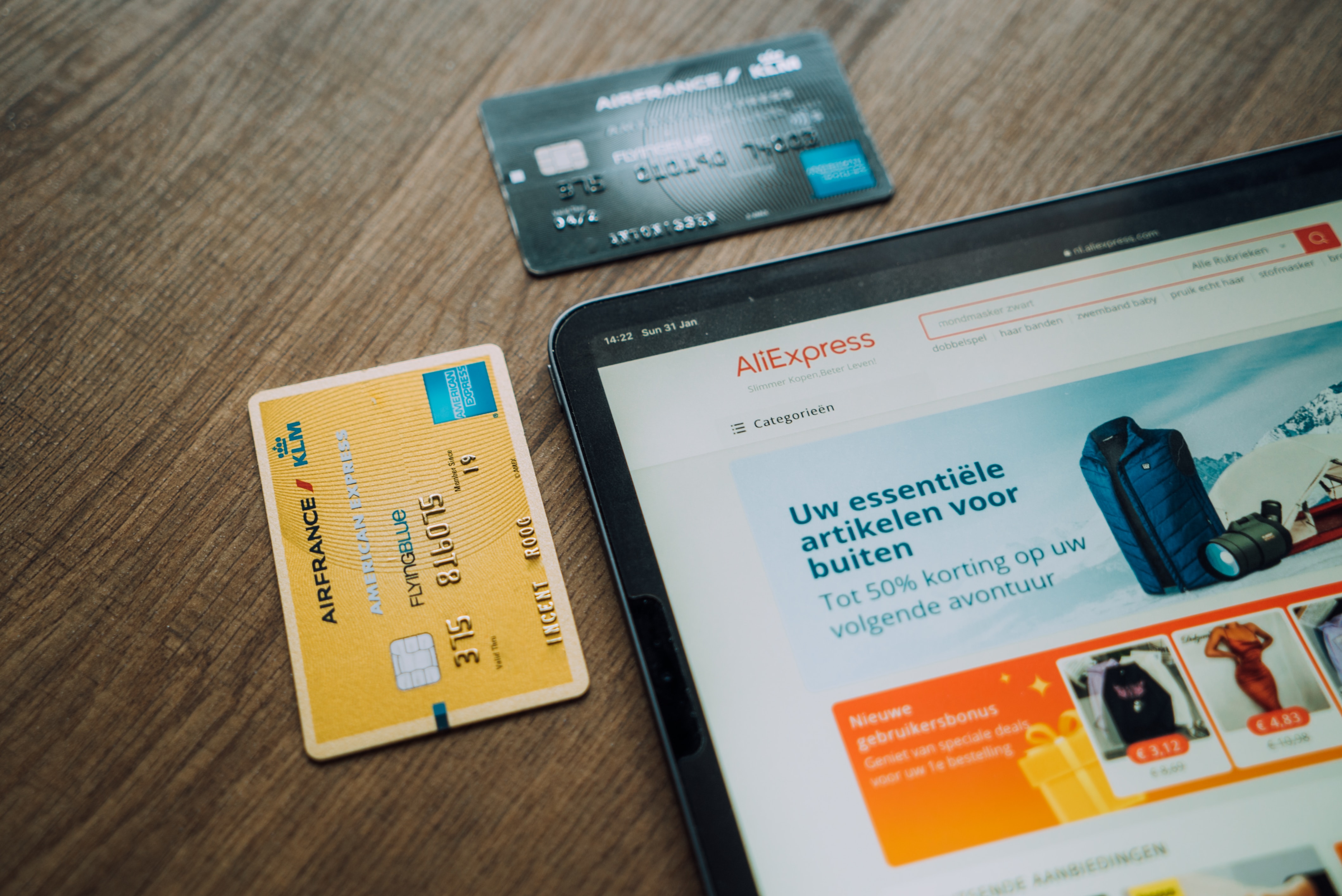
With the growing popularity of e-commerce and online sales, it is essential for businesses to accept online payments. This enables them to broaden their customer base and offer a smooth and convenient shopping experience. In this article, we discuss the key steps to accepting online payments and the different payment methods to consider.
Choose a Payment Service Provider (PSP)
The first step to accepting online payments is to choose a Payment Service Provider (PSP). A PSP is a company that facilitates electronic transactions by processing payment information and acting as a liaison between merchants, banks, and payment processors.
There are several PSPs on the market, each with its own advantages and disadvantages. Factors to consider when choosing a PSP include transaction fees, accepted payment methods, ease of integration, and security.
Some popular PSPs include:
Stripe
PayPal
Adyen
PayPlug
Integrate the PSP into your website
Once you have chosen a PSP, the next step is to integrate the payment service into your website. Most PSPs offer plugins, extensions, or APIs that allow for easy integration with major e-commerce platforms, such as Shopify, WooCommerce, PrestaShop, and Magento.
If you have a custom website, you may need to work with a developer to integrate the PSP into your platform. Be sure to follow best security practices during integration, including the use of SSL certificates and compliance with PCI-DSS standards.
Configure Payment Methods
Once the PSP is integrated, you need to configure the payment methods you wish to accept. The most common payment methods include:
Credit and Debit Cards: Visa, Mastercard, American Express, etc.
Electronic Wallet Payments: PayPal, Apple Pay, Google Pay, etc.
Bank Transfers: SEPA, ACH, BACS, etc.
Currencies: Bitcoin, Ethereum, etc.
It is recommended to accept multiple payment methods to provide your customers with the option to choose the one that suits them best.
Set Up Verification and Security Processes
To protect your business and your customers from fraud and suspicious activities, it is important to implement verification and security processes. PSPs generally offer tools and features to help secure online transactions, such as:
3D Secure Authentication: an extra layer of security that verifies the cardholder's identity before approving a transaction.
Fraud Filters: tools that help detect and prevent fraudulent transactions by analyzing suspicious behavior and verifying payment information.
Address Verification (AVS): a process that compares the address information provided by the customer with that on file with the issuing bank of the card.
Transaction Limits: restrictions on transaction amounts to minimize financial risks in case of fraud.
It is important to regularly monitor transactions and adjust security settings based on evolving threats and fraud trends.
Stay Informed About Local and International Regulations
When accepting online payments, it is crucial to know and comply with local and international regulations regarding e-commerce, data protection, and payment processing.
This includes:
Compliance with PCI-DSS (Payment Card Industry Data Security Standard), which are requirements to protect cardholder data.
Compliance with the GDPR (General Data Protection Regulation) for businesses that handle personal data of EU citizens.
Compliance with local and international tax laws, including the collection and reporting of VAT or sales tax.
Test and Monitor Online Transactions
Before launching your online payment system, it is important to test its functioning to ensure that it is secure and operates correctly. Perform test transactions to verify that payments are processed correctly and that customers receive order confirmations.
Additionally, regularly monitor transactions and customer feedback to identify potential issues and improve the online payment experience.
Accepting online payments is a crucial step in expanding your business to a global customer base and providing a convenient and secure shopping experience. By following these steps, you can choose the right PSP, integrate various payment methods both on your website and at your checkout register, enhance security, and ensure regulatory compliance.
Integrating online payments into your checkout register simplifies the management of online and offline sales and offers customers a broader choice of payment methods. Don't forget to test and monitor your online payment system to continuously optimize your customers' experience.