
Smart Scanning: The QR Code Revolution in Small Restaurants
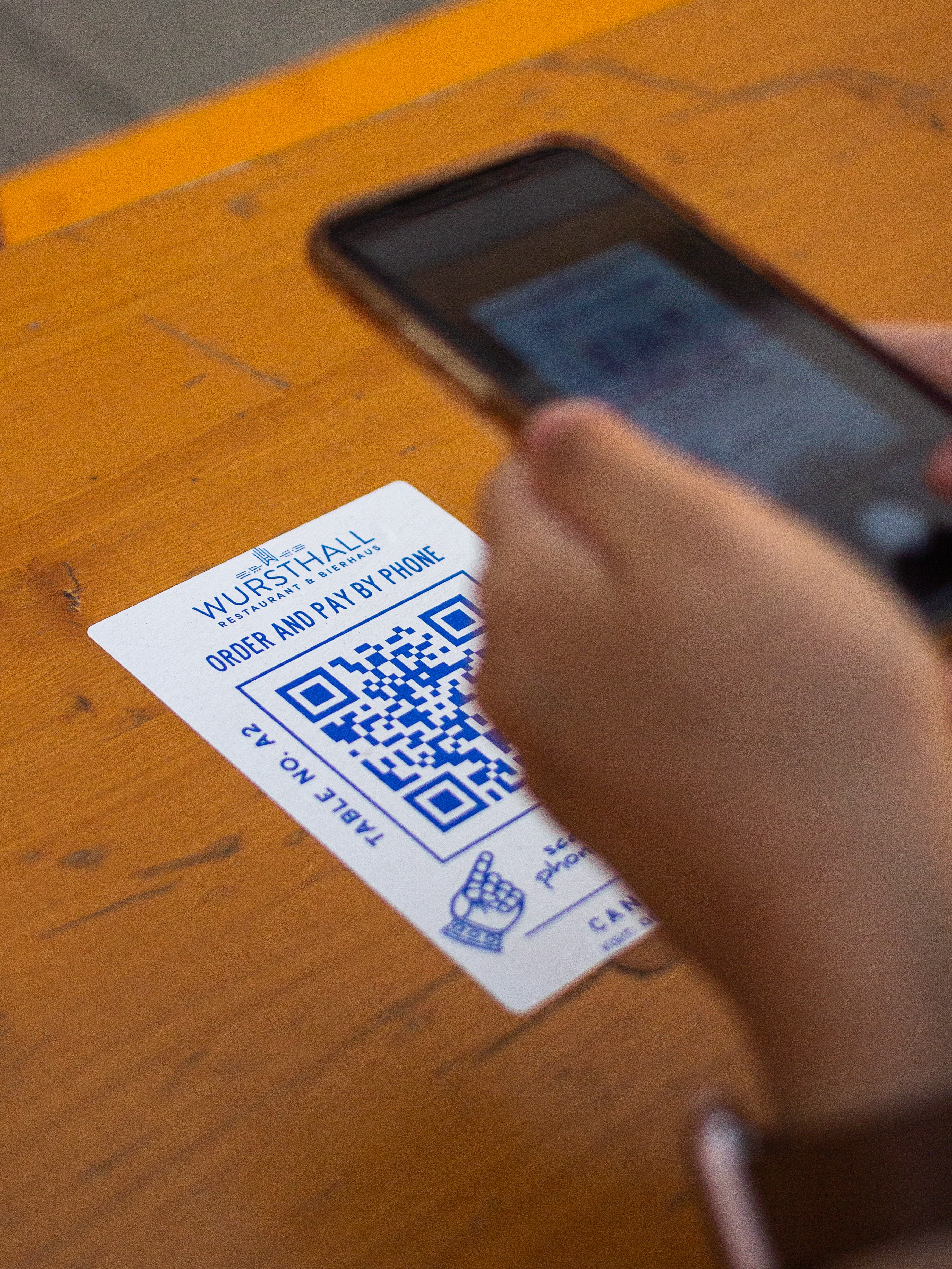
With the rise of technology, smart digitization is becoming increasingly present in our daily lives. One of these technological advances that is gaining popularity is the use of QR codes. These codes, which were previously mainly used to store simple information such as URLs or email addresses, are now utilized in more sophisticated applications, particularly in the restaurant sector.
What is a QR code?
QR codes are two-dimensional barcodes that can store a large amount of information. They are read using a smartphone or tablet equipped with a camera and a QR code reading application. QR codes are used in many sectors, including for advertising, public transport, and event tickets. However, they have also found their place in small restaurants, providing a simple and effective solution for digitizing menus.
The rise of the QR code in the restaurant industry
The COVID-19 pandemic forced many restaurants to find innovative ways to minimize contact between customers and staff. QR codes offer a convenient solution for restaurants that seek to reduce physical contact between customers and servers while providing a frictionless ordering and service experience. QR codes allow customers to view menus on their own mobile devices, without having to touch a physical menu or exchange menus with other customers.
Optimizing the dining experience with QR codes
QR codes offer an economical and simple option to enhance the dining experience in small restaurants.
Simplified ordering:
By digitizing their menus with QR codes, small restaurants can also streamline the ordering process. Customers can view menus, place their orders, and pay online, which can significantly reduce waiting times and improve staff efficiency. Moreover, this method is particularly appealing when integrated with the restaurant's cash register system. It also allows customers to more easily order takeout or delivery, thus providing an additional source of revenue for restaurants.
Customer loyalty:
QR codes can also help small restaurants gather valuable data about their customers. QR codes can be linked to loyalty and reward programs, offering incentives for customers who order regularly. Restaurants can also use the data collected to personalize the customer experience, by offering dish recommendations or special offers based on purchasing habits.
Immersive experience:
Additionally, QR codes can also be used to provide more interactive and immersive dining experiences. QR codes can be used to provide additional information about dishes, including images, videos, and detailed ingredient descriptions. Restaurants can also use QR codes to promote special events or seasonal offers, thus providing a more engaging dining experience for customers.
How to use QR codes in your small restaurant?
QR codes in small restaurants offer an enhanced experience for customers and streamline operations. Learn how to implement them to generate insights and incentives for customers.
Generate a QR code: There are many free online tools such as QR Code Generator or Unitag that allow you to generate a QR code for your menu in a few minutes. You can add additional information such as images, dish descriptions, or links to videos to provide a more immersive experience for your customers.
Print the QR code: Once you have generated your QR code, you can print it on cards or stickers and place them in your restaurant. QR codes can be placed on your tables, menus, windows, or any other visible location for customers. You may also include simple instructions to help customers scan the QR code.
Link the QR code: QR codes can be linked to your online ordering system to allow customers to place orders directly from their smartphones. You can also link them to a loyalty program to offer incentives to customers who order regularly. The data collected from QR codes can be used to personalize the customer experience, by offering dish recommendations or special offers based on purchasing habits.
QR codes continue to gain popularity in the restaurant sector. Many big names in the industry, such as McDonald's and Burger King, have already adopted this technology for their menus, while many small restaurants are following suit. The simplicity and convenience offered by QR codes are particularly attractive to restaurants looking to improve their efficiency and profitability while providing a high-quality customer experience.