/

/

Starting a business

Starting a business

11 min read

The Pros and Cons of Different Payment Processing Methods

From traditional methods like cash and checks to digital options like credit cards and mobile payments, we cover everything you need to know to make an informed decision for your business.
As a small business owner, you need to be able to accept payments in order to make sales and stay afloat. But with so many different payment processing methods available, it can be hard to know which ones are right for you. In this blog post, we'll take a look at the pros and cons of different payment processing methods so you can make an informed decision.


  1. Cash


Pros:


Accepting cash is quick and easy, and it doesn't come with any transaction fees. Cash is also a universal payment method that everyone understands.


Cons:


Handling cash comes with security risks, and it can be hard to track transactions and keep accurate records.


  1. Checks


Pros:


Checks are another universal payment method that most people understand. They also offer a paper trail that can help you keep accurate records.


Cons:


Checks can be risky because they can bounce or be fraudulent. It can also take a few days for a check to clear, which can delay payments.


  1. Credit/Debit Cards Pros:


Pros:


Accepting credit and debit cards is convenient for both you and your customers. It can also increase sales, as customers are more likely to make purchases if they can pay with a card. Plus, most payment processors offer fraud protection.


Cons:


Credit card processing fees can be high, and there may be additional fees for things like chargebacks or refunds. You'll also need to invest in equipment like card readers and may need to go through a lengthy approval process to set up a merchant account.


  1. Mobile Payments:


Pros:


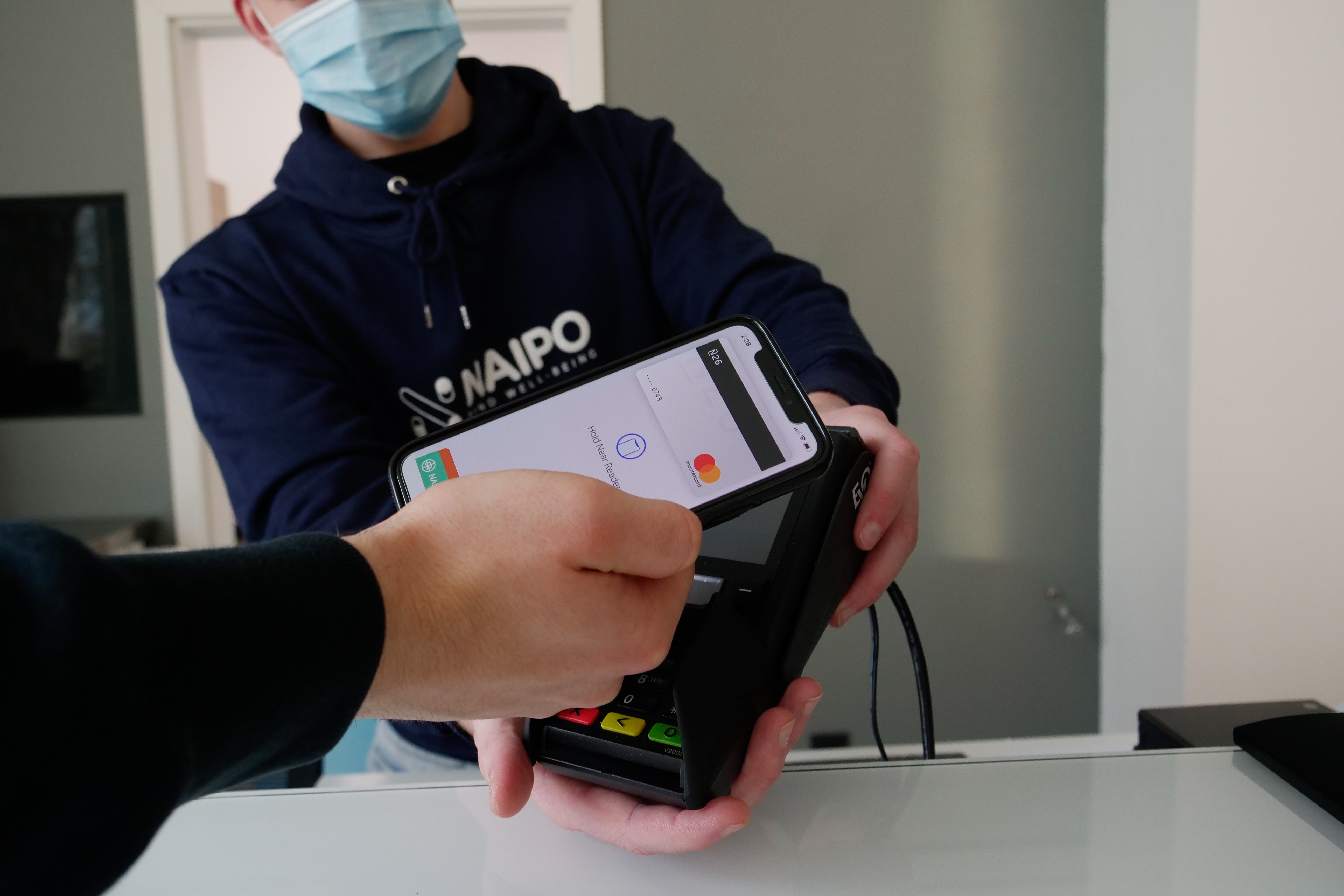
Mobile payments are convenient for customers who want to pay with their smartphones or smartwatches. They're also usually fast and secure.


Cons:


Not all customers use mobile payments, and you'll need to invest in equipment like card readers that can accept mobile payments.


  1. Online Payments


Pros:


Online payments are convenient for both you and your customers. They can also increase sales, as customers can make purchases from anywhere at any time. Plus, most payment processors offer fraud protection.


Cons:


There may be fees associated with online payments, and you'll need to invest in equipment like a payment gateway or shopping cart. You'll also need to make sure your website is secure and compliant with payment processing regulations.


In conclusion, there are pros and cons to each payment processing method. As a small business owner, it's important to consider your business needs, your customers' preferences, and your budget when choosing a payment processing method. By understanding the pros and cons of each method, you can make an informed decision that will benefit your business in the long run.

As a small business owner, you need to be able to accept payments in order to make sales and stay afloat. But with so many different payment processing methods available, it can be hard to know which ones are right for you. In this blog post, we'll take a look at the pros and cons of different payment processing methods so you can make an informed decision.


  1. Cash


Pros:


Accepting cash is quick and easy, and it doesn't come with any transaction fees. Cash is also a universal payment method that everyone understands.


Cons:


Handling cash comes with security risks, and it can be hard to track transactions and keep accurate records.


  1. Checks


Pros:


Checks are another universal payment method that most people understand. They also offer a paper trail that can help you keep accurate records.


Cons:


Checks can be risky because they can bounce or be fraudulent. It can also take a few days for a check to clear, which can delay payments.


  1. Credit/Debit Cards Pros:


Pros:


Accepting credit and debit cards is convenient for both you and your customers. It can also increase sales, as customers are more likely to make purchases if they can pay with a card. Plus, most payment processors offer fraud protection.


Cons:


Credit card processing fees can be high, and there may be additional fees for things like chargebacks or refunds. You'll also need to invest in equipment like card readers and may need to go through a lengthy approval process to set up a merchant account.


  1. Mobile Payments:


Pros:


Mobile payments are convenient for customers who want to pay with their smartphones or smartwatches. They're also usually fast and secure.


Cons:


Not all customers use mobile payments, and you'll need to invest in equipment like card readers that can accept mobile payments.


  1. Online Payments


Pros:


Online payments are convenient for both you and your customers. They can also increase sales, as customers can make purchases from anywhere at any time. Plus, most payment processors offer fraud protection.


Cons:


There may be fees associated with online payments, and you'll need to invest in equipment like a payment gateway or shopping cart. You'll also need to make sure your website is secure and compliant with payment processing regulations.


In conclusion, there are pros and cons to each payment processing method. As a small business owner, it's important to consider your business needs, your customers' preferences, and your budget when choosing a payment processing method. By understanding the pros and cons of each method, you can make an informed decision that will benefit your business in the long run.

Solutions

Industries

Features

Get a free demo

Address:

3 Rue Abou Zaid Eddaboussi, Casablanca 20250

Phone:

06 31 887 887

© inyad, Inc. All rights reserved.

Address:

3 Rue Abou Zaid Eddaboussi, Casablanca 20250

Phone:

06 31 887 887

© inyad, Inc. All rights reserved.